Key Highlights (TLDR)
- Leather shoes offer higher margins than synthetic alternatives
- Durability drives repeat purchases and brand loyalty
- Quality leather reduces return rates
- Construction method impacts pricing power
- Sourcing transparency builds retailer trust
- UK and Indian markets favour genuine leather
- Partnering with trusted manufacturers improves ROI
Footwear retailers face rising returns and shrinking margins. Stocking the wrong products costs heavily.
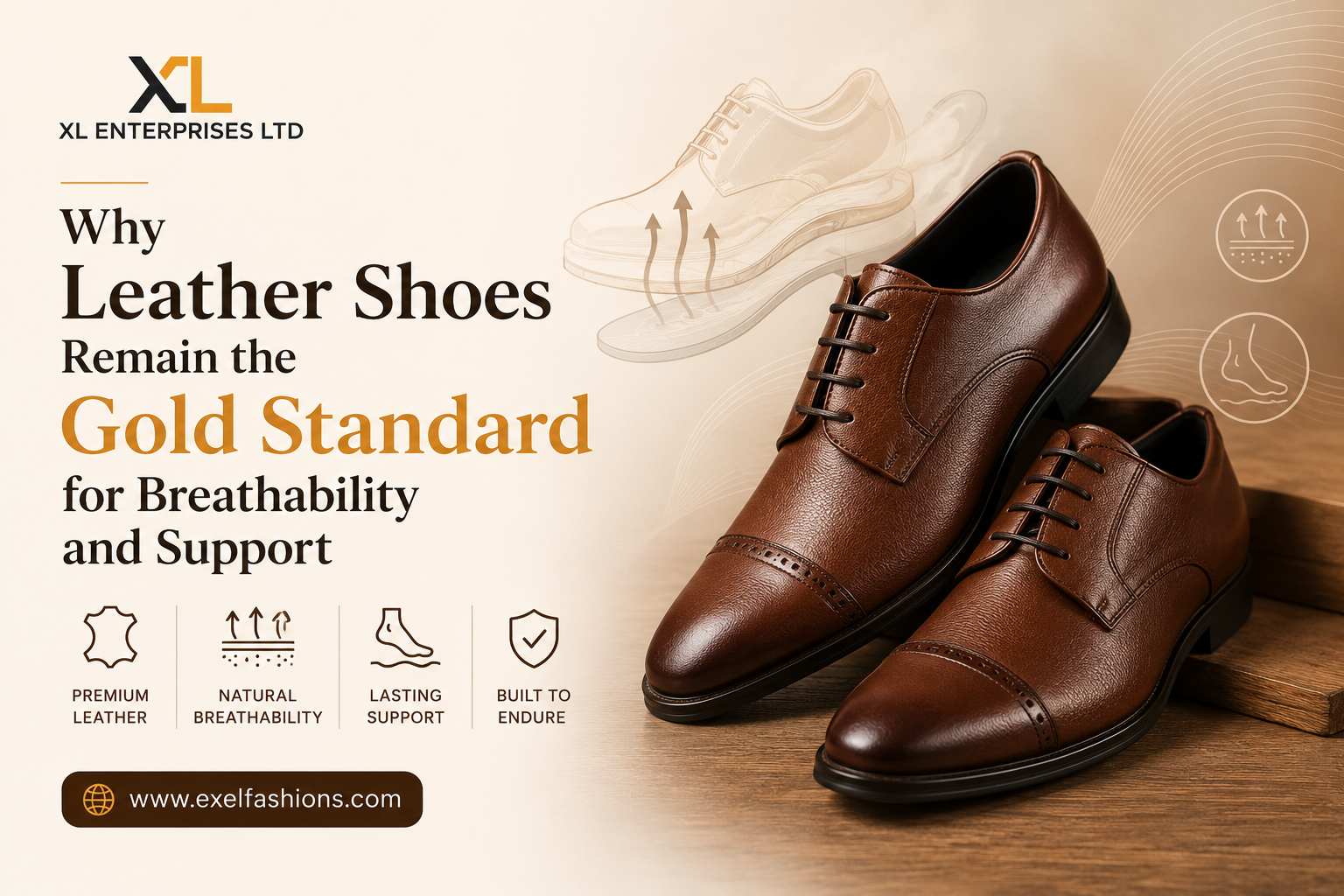
According to industry reports, leather footwear accounts for over 40% of global revenue in premium segments. Higher durability drives repeat buying behaviour.
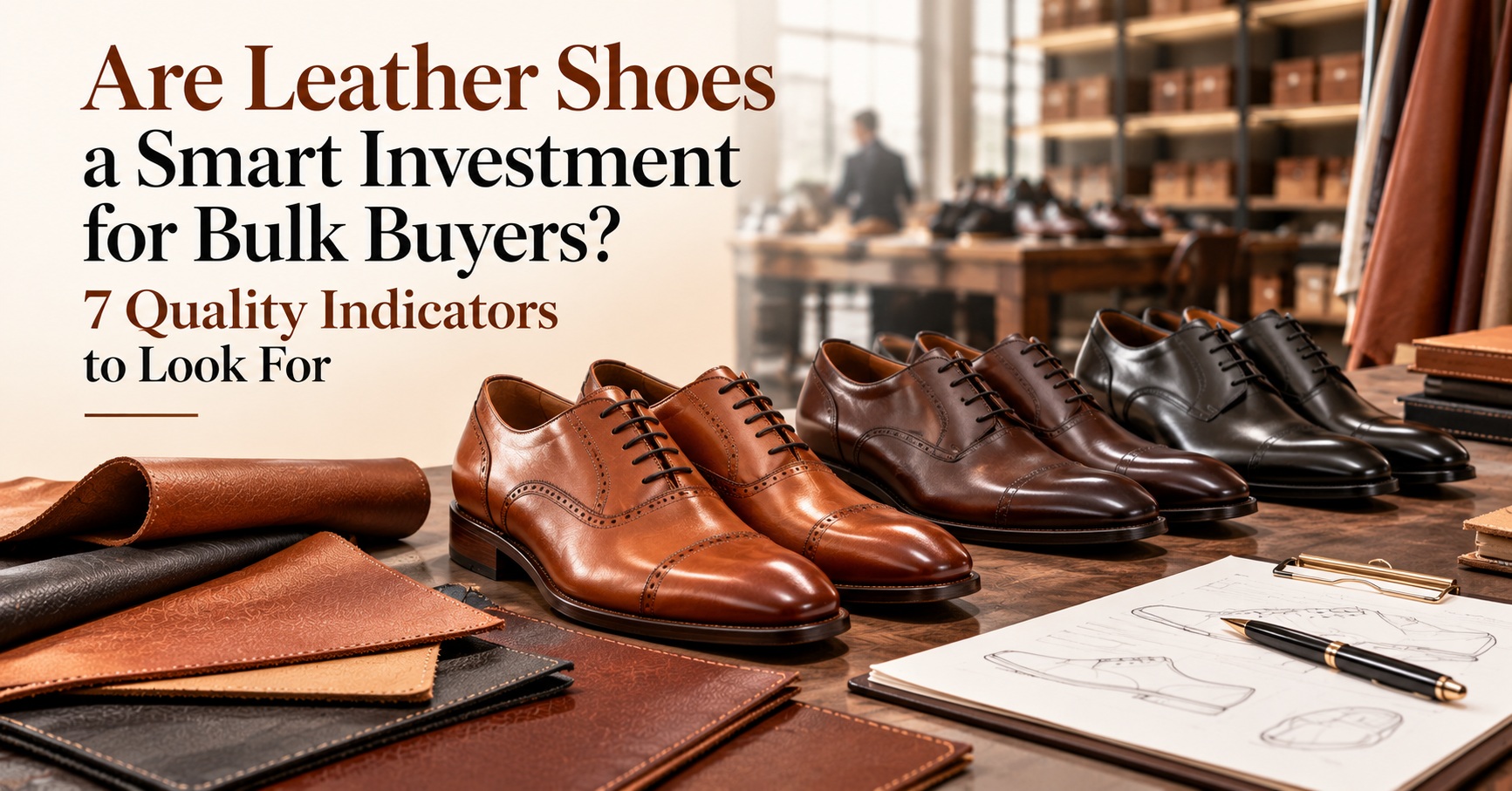
Whether you are a retailer, wholesaler, distributor, importer, or private-label brand, sourcing premium leather shoes can be a strategic investment. Understanding key quality indicators helps bulk buyers select products that deliver consistent performance, fewer returns, and stronger long-term profitability.
Why Leather Shoes Deliver Better Retail Margins?
Retailers need products that sell steadily. Leather shoes meet this need. They command higher average selling prices. Customers perceive leather as premium. That perception supports stronger mark-ups.
High Quality leather shoes also last longer. Fewer complaints mean fewer returns. Lower return rates protect retailer profits. In markets like London, Manchester, Mumbai, and Delhi, leather footwear dominates office wear. Professionals prefer genuine leather for comfort and durability.
For retailers targeting formal or semi-formal buyers, leather becomes a safe bet. When sourced from established leather products manufacturers like XL Enterprises Ltd, quality consistency improves sell-through rates.
Why Manufacturing Expertise Matters for Bulk Buyers
For bulk buyers, product quality depends not only on the leather used but also on the manufacturer’s production capabilities. Consistent manufacturing standards ensure every pair meets the same expectations for durability, comfort, finishing, and fit, regardless of order size.
XL Enterprises Ltd combines skilled craftsmanship with modern footwear manufacturing processes to produce leather shoes for retailers, distributors, importers, and private-label brands. From leather selection and pattern development to stitching, finishing, and quality inspections, every production stage follows strict quality standards. This enables bulk buyers to receive consistent products, timely deliveries, and scalable production for domestic and international markets.
Indicator 1: Type of Leather Used
Not all leather is equal. The type defines durability and pricing potential.
Full-Grain vs Top-Grain vs Corrected Leather
- Full-grain leather retains natural texture. It ages beautifully. It commands premium prices.
- Top-grain leather is slightly corrected. It balances cost and durability.
- Corrected or bonded leather is cheaper. It suits low-budget segments.
Retailers should check:
- Grain uniformity
- Natural markings
- Thickness consistency
- Flexibility without cracking
Full-grain and top-grain leather work best for UK formal markets. Budget markets in Tier 2 Indian cities may accept corrected leather. Choosing the right leather type aligns inventory with your target buyer.
Indicator 2: Stitching and Construction Method
Construction determines longevity. Customers notice it. Two popular methods dominate retail shelves:
| Construction Type | Durability | Repairable | Retail Price Range | Best For |
| Cemented | Moderate | No | Low to Mid | Budget segment |
| Blake Stitch | Flexible | Limited | Mid | Office wear |
| Goodyear Welt | Very High | Yes | Premium | Luxury buyers |
Goodyear welt shoes attract higher margins. They appeal to premium buyers in cities like Birmingham and London. Blake stitch suits Indian metro professionals seeking comfort.
Retailers must inspect sole attachment closely. Loose stitching signals poor manufacturing. Partnering with experienced genuine leather goods exporters like XL Enterprises Ltd ensures quality construction consistency.
Indicator 3: Sole Quality and Material
The sole impacts wear life. Poor soles lead to complaints. Look for:
- Genuine leather soles for formal shoes
- Rubber outsoles for durability
- EVA for lightweight comfort
- Anti-slip grip patterns
UK retailers must consider the weather. Rubber soles perform better in wet climates. In Indian metros, hybrid soles work well year-round. High-quality soles reduce replacement frequency. That builds trust and repeat sales.
Indicator 4: Lining and Comfort Features
Comfort drives repeat purchases. Many retailers ignore this. Look inside the shoe.
Check for:
- Breathable leather lining
- Cushioned insoles
- Moisture-wicking material
- Smooth finishing without glue stains
Office buyers in both India and the UK prioritise comfort. Long working hours demand breathable interiors. Retailers who stock comfortable leather shoes see higher customer retention.
This is where supplier quality control matters. XL Enterprises Ltd focuses on interior finishing as much as exterior design.
Indicator 5: Finishing and Aesthetic Appeal
Leather finishing impacts shelf appeal. Premium buyers prefer:
- Even colour tone
- Clean edge painting
- Polished toe caps
- Minimal creasing
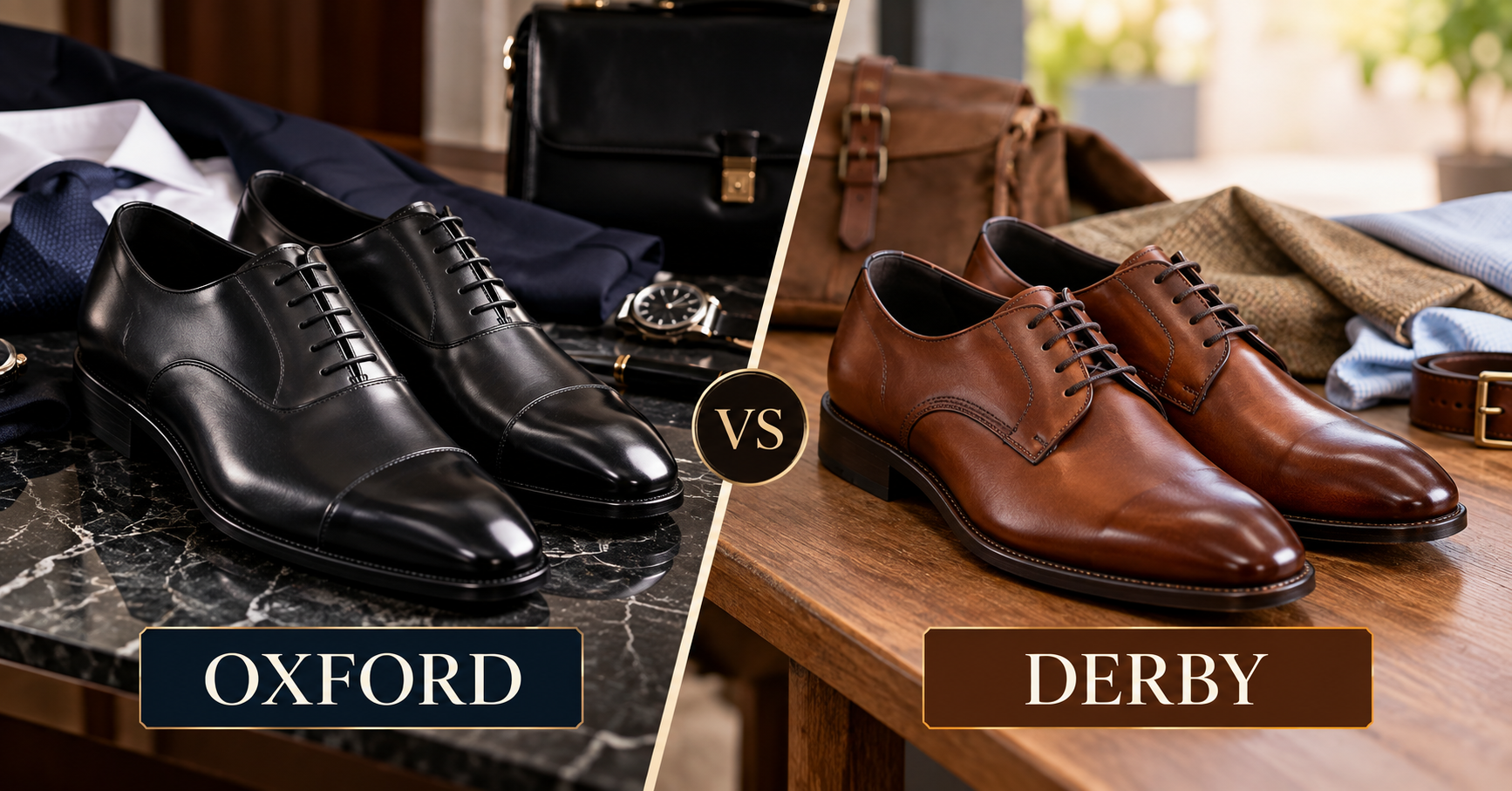
In London boutiques, oxford and derby styles dominate. In Mumbai and Delhi, formal slip-ons perform strongly. Retailers should align style mix with local demand.
Voice search queries like “best leather formal shoes supplier UK” often reflect buyers seeking high-finish products. Finishing directly influences online reviews.
Indicator 6: Sourcing Transparency and Compliance
Global buyers demand ethical sourcing. Retailers importing into the UK must consider:
- REACH compliance
- Proper labelling standards
- Sustainable tanning practices
Indian retailers also value GST-ready documentation and export certifications. Transparent sourcing reduces regulatory risks. It also strengthens brand positioning.
Working with established manufacturers ensures traceable supply chains.
Indicator 7: Supplier Reliability and Scalability
Retail growth requires a dependable supply. Ask suppliers:
- What is the minimum order quantity?
- Can they handle seasonal bulk orders?
- Do they provide consistent sizing standards?
- What is their defect rate?
Retailers in fast-moving markets like Delhi NCR need scalable partners. Export-focused manufacturers like XL Enterprises Ltd offer bulk production capabilities while maintaining quality benchmarks.
Experienced manufacturers also offer design development, material sourcing, sample approvals, private labelling, and large-scale manufacturing capabilities. These services help businesses streamline procurement while maintaining consistent product quality across every production batch.
Are Leather Shoes a Smart Investment for Retailers in the UK and India?
Yes, when sourced correctly. Leather footwear aligns with premium positioning. It supports higher price bands. Urban professionals prefer durability over fast fashion. That trend continues rising. Retailers in London, Birmingham, Delhi, Mumbai, and Bangalore see consistent demand for genuine leather formal footwear.
The key lies in identifying the right quality indicators before bulk purchasing.
Conclusion
Genuine leather shoes can be a smart investment for retailers seeking stability and margin growth. The right leather type, construction, sole quality, and supplier reliability make the difference. Retailers in both the UK and India benefit from premium positioning.
For bulk buyers, choosing the right manufacturer is just as important as selecting the right product. XL Enterprises Ltd combines skilled craftsmanship with advanced manufacturing capabilities to produce export-ready leather footwear for retailers, wholesalers, importers, distributors, and private-label brands. Its focus on quality control, scalability, and reliable production makes it a trusted partner for businesses looking to strengthen their footwear portfolio.