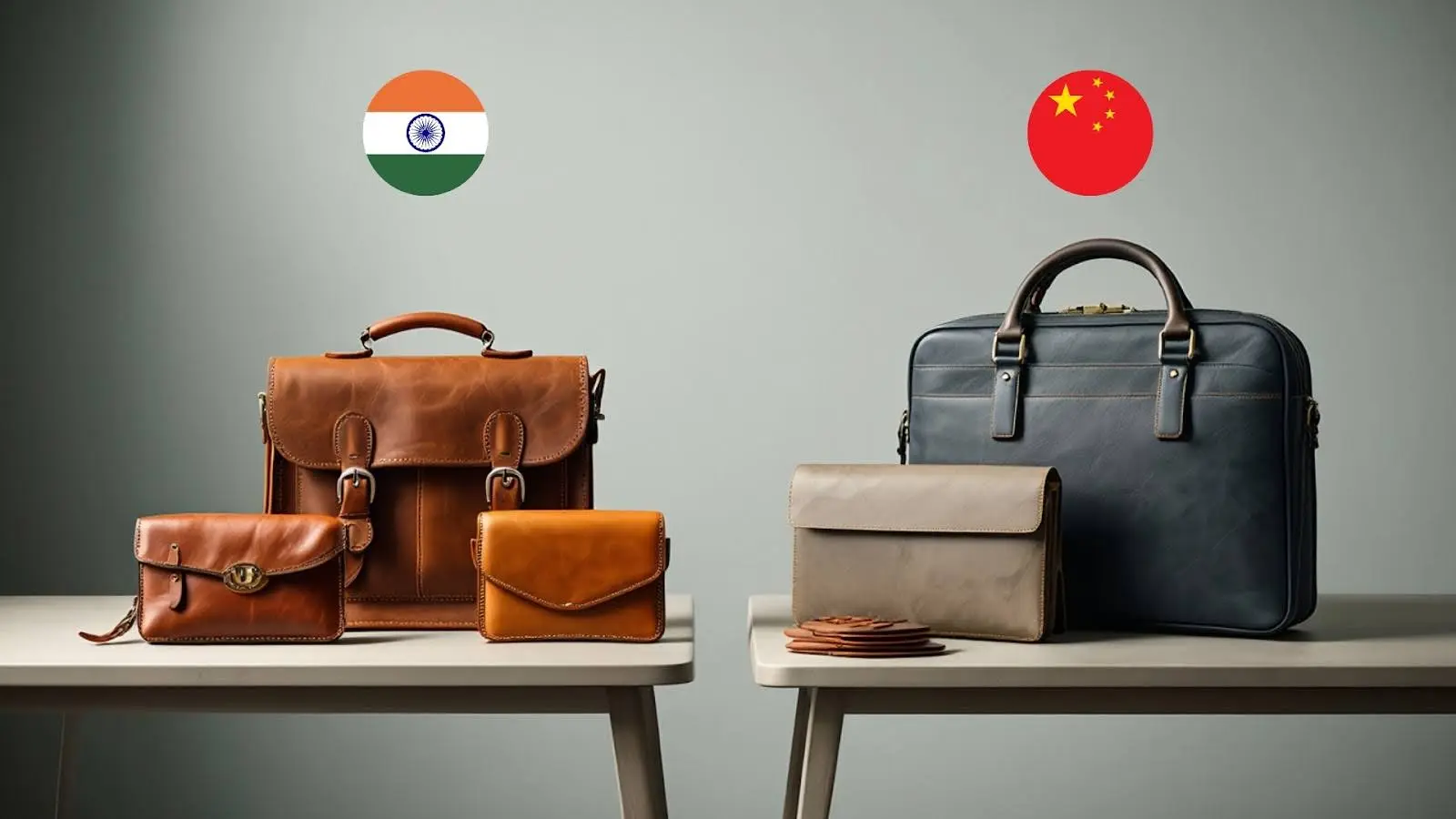
Global leather sourcing has reached a clear turning point. Retailers and private-label brands today are expected to balance competitive pricing with consistent quality. Creating a balance between ethical manufacturing with long-term supply chain reliability is also important. Cost alone is no longer enough to justify a sourcing decision. Instead, buyers are placing greater emphasis on compliance readiness and transparency with the ability of suppliers to support brand reputation over time.
When evaluating Manufacturing Leather Goods in India vs China, these changing priorities become especially important. China has long been recognised for its scale and speed, while India has steadily built a reputation as a dependable leather export hub focused on quality and accountability.
This comparison explores how leather sourcing in India and China truly differs-and why India is emerging as a future-ready sourcing destination for global buyers.
Why Compare India and China for Leather Manufacturing?
India and China dominate global leather sourcing discussions. But their approaches to manufacturing and partnership differ significantly.
- India and China both offer strong production capacity and access to international markets.
- Buyer expectations have shifted from price-driven sourcing to value-led decision-making.
- Ethical manufacturing and sustainability are now central to retail compliance.
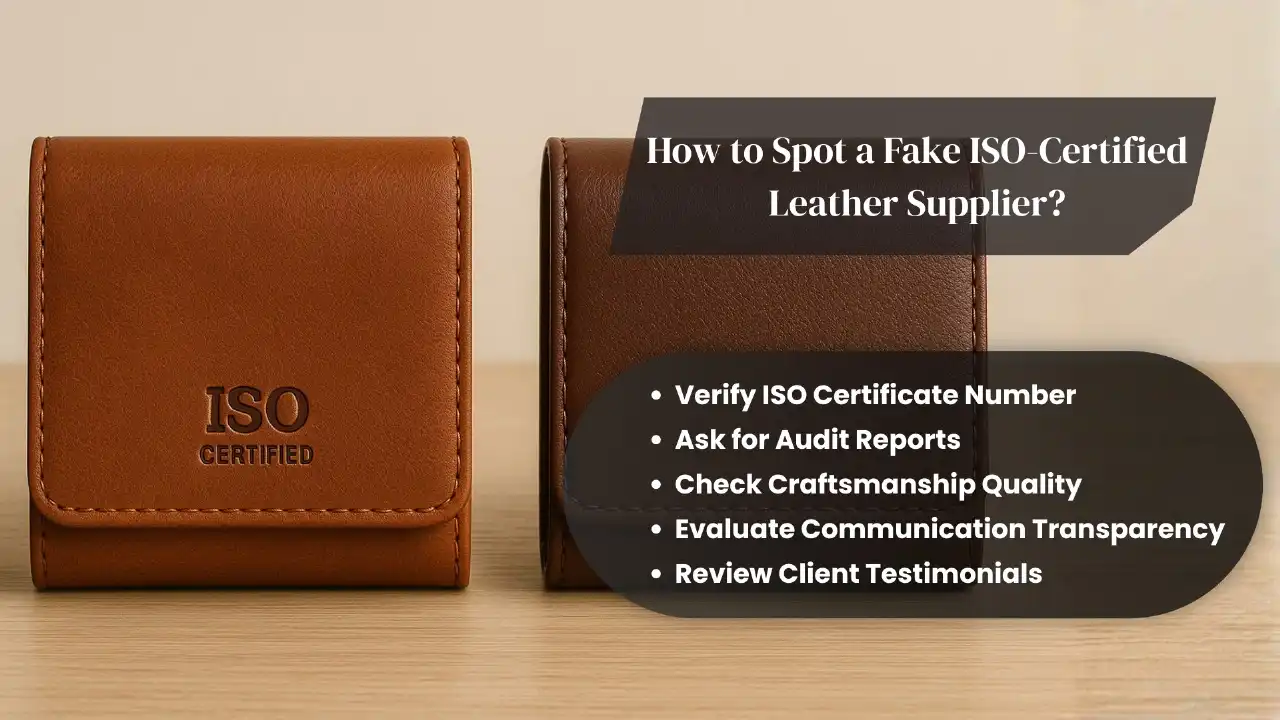
- Certifications, audits and transparency influence sourcing confidence.
- Long-term supplier reliability has become more important than short-term cost savings.
Types of Leather Goods Manufactured in India vs China
While both India and China produce a wide range of leather products, the nature of their manufacturing focus, design depth and market orientation differs significantly.
Leather Goods Manufactured in India
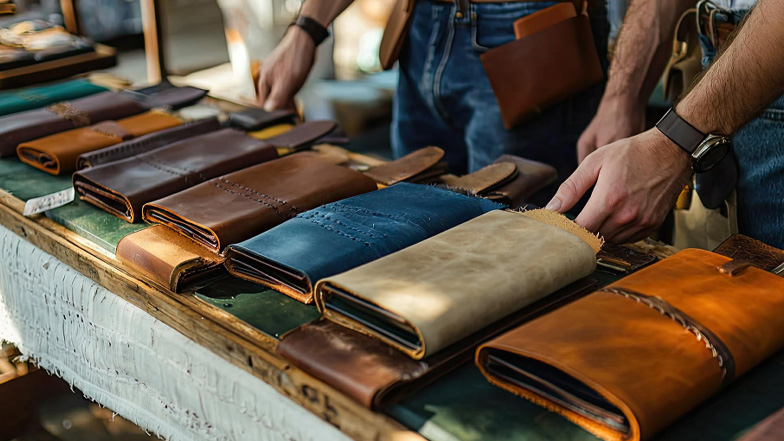
- Common product categories include leather wallets, handbags, belts, backpacks, travel bags and fashion accessories.
- Leather manufacturers in India are particularly known for premium and mid-premium segments. This is where stitching quality and material selection along with finishing consistency matter.
- Custom-designed collections, private-label development and smaller batch production are widely supported.
Leather Goods Manufactured in China
- China’s leather manufacturing ecosystem is structured around large-scale, standardised production.
- Chinese factories focus heavily on high-volume leather goods like basic wallets, utility bags, belts and mass-market accessories.
- China is often chosen for cost-sensitive programs. This is where volume and speed outweigh design complexity and premium positioning.
Manufacturing Leather Goods in India vs China: A Detailed Comparison for Global Buyers
Looking beyond surface-level cost differences reveals meaningful contrasts across operational and strategic factors.
-
Cost Structure and Long-Term Value
-
Quality of Leather and Craftsmanship
-
Manufacturing Flexibility and Customisation
-
Ethical Manufacturing and Sustainability Practices
-
Export Experience and Retail Readiness
China can offer lower unit costs for extremely high-volume production, especially for standardized products. However, Indian manufacturers often provide better long-term value by maintaining consistent quality, reducing rejection rates, and limiting rework. When costs related to compliance management, audits, delays, and quality failures are considered, India frequently delivers stronger overall value for sustainable sourcing programs.
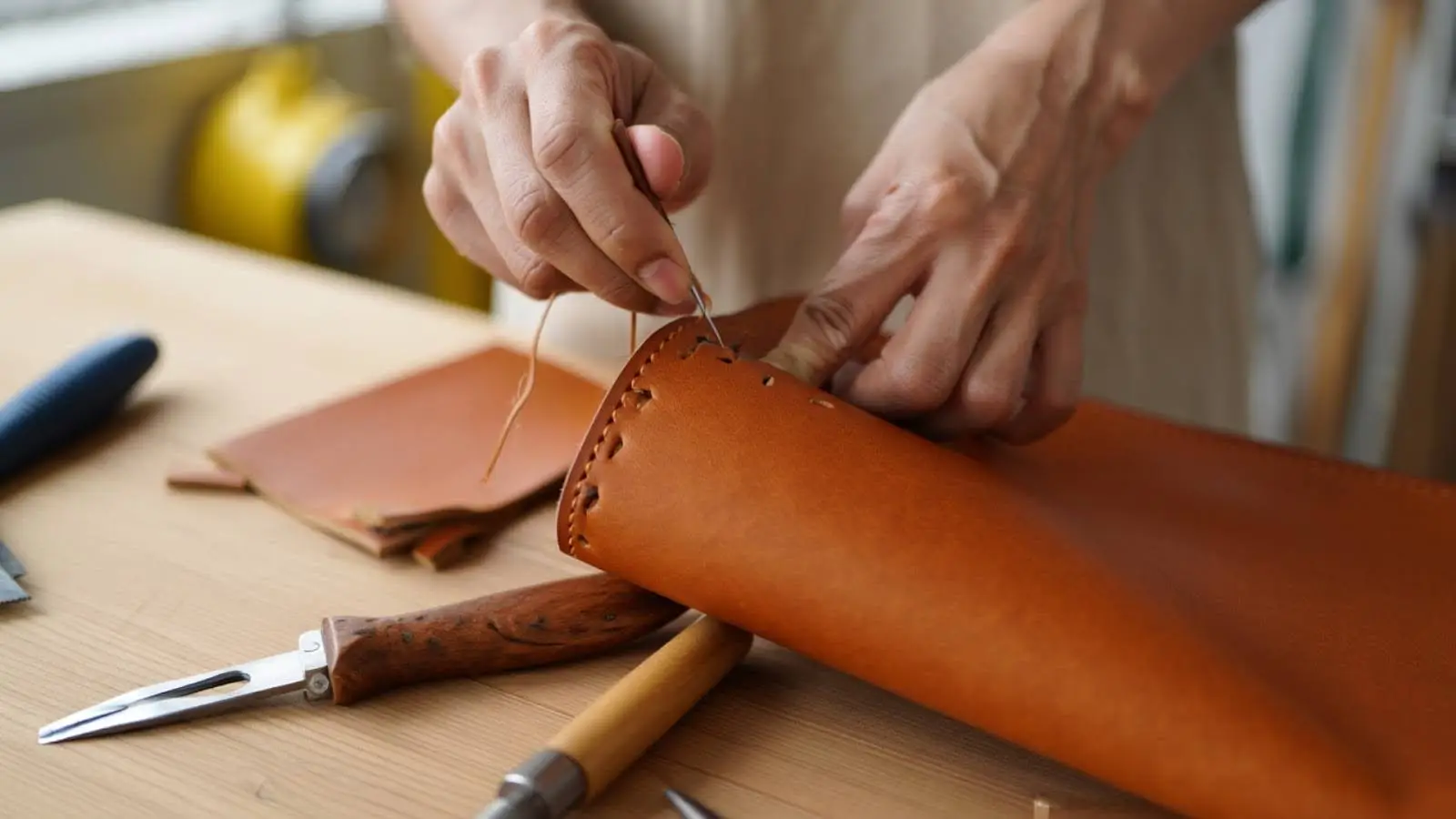
Indian leather manufacturing is widely associated with craftsmanship. Also attention to detail also refined finishing. durability and visual consistency is ensured by export-grade leather sourced from certified tanneries. On the other hand China delivers uniform quality at scale. Where hand-finishing and material selection significantly influence product perception it may fall short in premium categories.
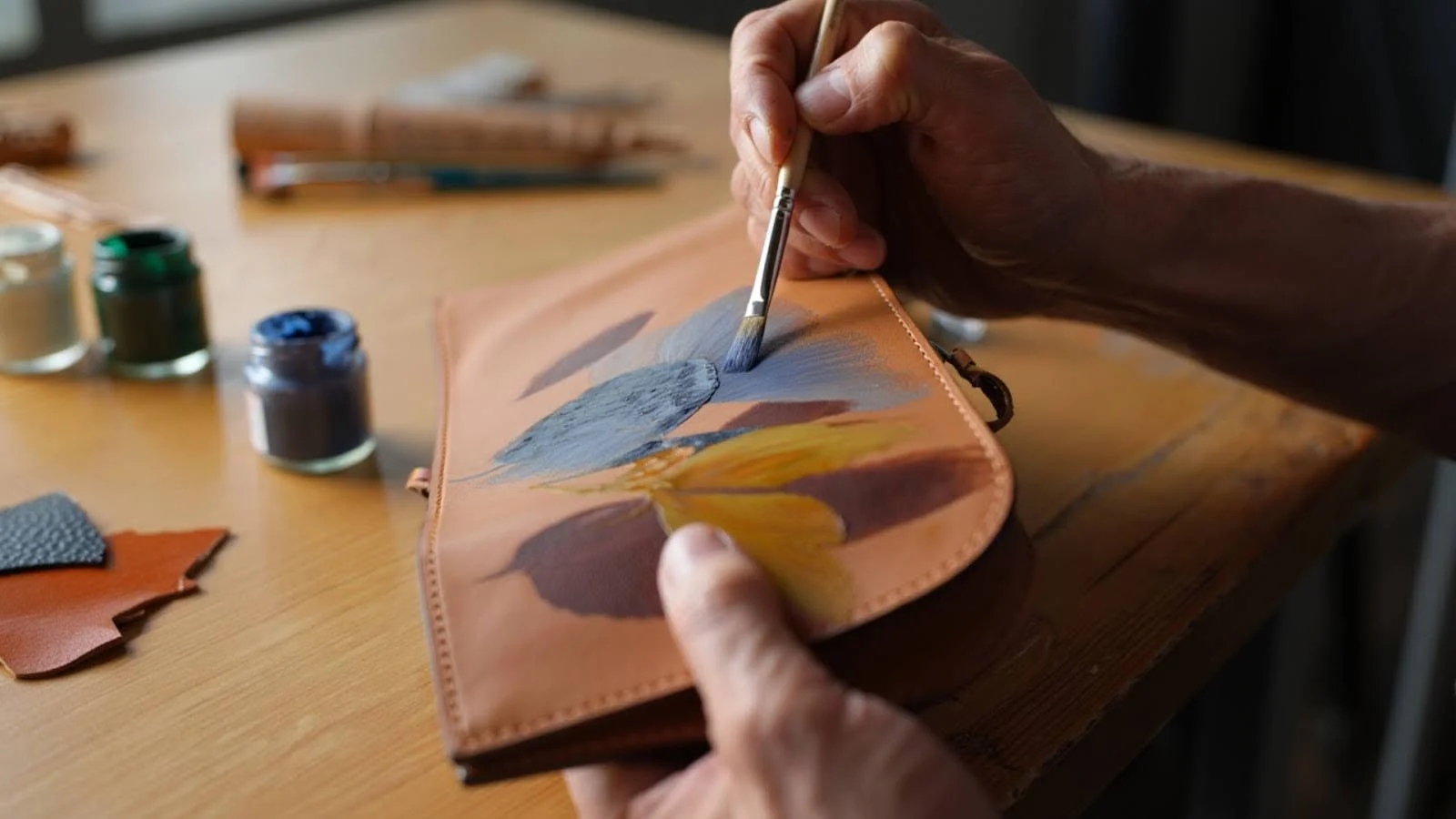
Indian manufacturers are known for their flexibility. They readily accommodate design changes and seasonal updates with private-label requirements. It allows brands to stay agile. Chinese factories often prioritise fixed specifications and large batch runs limiting adaptability in fast-moving retail environments.
One of the decisive factors in sourcing decisions is ethical manufacturing. Through SEDEX Certified and BSCI Certified factories India has made notable progress in responsible leather production. Transparent labor practices and worker welfare with sustainability initiatives align closely with global ESG expectations. Ethical compliance can vary significantly depending on the factory and region in China.
India has developed a strong base of export-ready leather manufacturers. They are experienced in international logistics and documentation also retail compliance. Familiarity with labeling norms, packaging standards and delivery schedules improves execution reliability across global markets.
Comparison Table: Manufacturing Leather Goods in India vs China
| Parameter | India | China |
|---|---|---|
| Cost Structure | Competitive with strong long-term value | Lower at very high volumes |
| Leather Quality | Export-grade leather with skilled craftsmanship | Standardized, volume-focused |
| Customisation | High flexibility for private labels | Limited flexibility |
| Ethical Manufacturing | Strong SEDEX & BSCI adoption | Varies by factory |
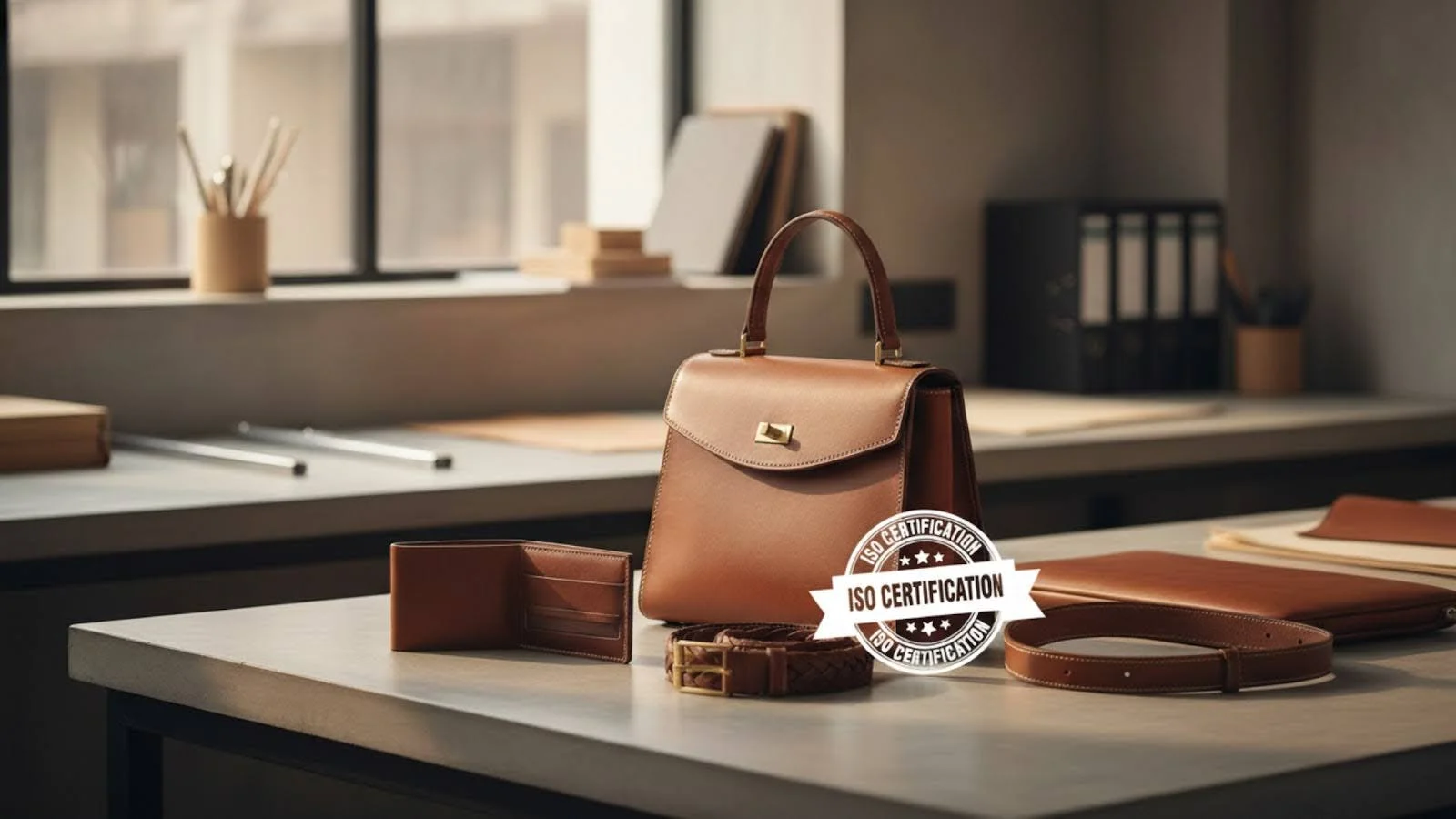
| Certifications | ISO, SEDEX, BSCI widely adopted | Certification varies |
| Communication | Direct and collaborative | Often layered |
| Retail Compliance | Strong alignment with Western standards | Inconsistent |
| Long-Term Reliability | Relationship-driven partnerships | Transaction-driven |
Leather Sourcing in India vs China: Which Country Should You Choose?
Choosing between India and China for leather sourcing depends on your brand’s priorities and product positioning with long-term sourcing strategy.
China is often suitable for businesses. Especially businesses requiring very large volumes of standardised leather goods at the lowest possible unit cost. Where speed and scale are the primary drivers and design complexity is limited it works well for price-sensitive programs.
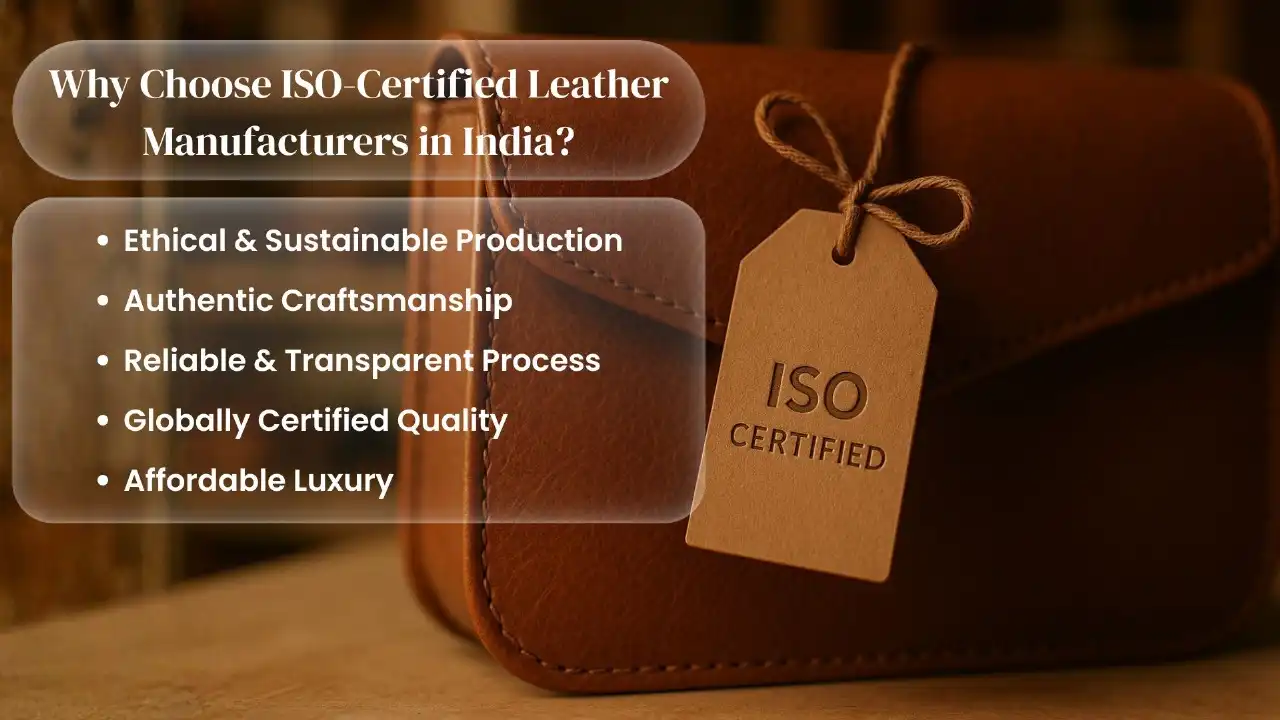
On the other hand, India is the preferred choice for brands that value consistent quality and ethical manufacturing with supply chain transparency. India offers stronger alignment with global retail standards. Also the widespread adoption of ISO and SEDEX certifications matters. Learn more about the reasons to choose an ISO Approved leather accessories manufacturer in India.
Conclusion
Manufacturing leather goods in India vs China can no longer be viewed purely through a cost lens. China continues to serve high-volume manufacturing needs and India distinguishes itself through consistent quality.
For global buyers seeking responsible, reliable and adaptable sourcing partners, India represents a strategic and sustainable choice in today’s increasingly demanding global leather market. This is where XL Enterprises Ltd exemplifies the strengths of Indian leather manufacturing.
FAQs
Why is manufacturing leather goods in India and China often compared?
This is primarily the case because both countries dominate global leather production but differ in quality, ethics, and sourcing reliability.
Is India suitable for premium leather brands?
Yes, India is well-regarded for craftsmanship, finishing quality and compliance standards.
How does ethical manufacturing compare between India and China?
India offers stronger SEDEX and BSCI adoption with better transparency.
Which country offers better long-term sourcing stability?
India is generally preferred for relationship-driven, long-term sourcing partnerships.