Ethical manufacturing has become a defining expectation in today’s global fashion and accessories industry. Consumers are no longer evaluating handbags based only on design or price. But they are paying closer attention to how products are made and who makes them. It also entails what impact production has on people and the environment. Retailers and private labels are reassessing their sourcing strategies as a result. They are also prioritising responsible manufacturing partners.
Ethical bag manufacturers now extend beyond material selection to include fair labor practices and transparent processes with long-term accountability.
This article explores what ethical handbag manufacturing in India truly involves and how buyers can confidently identify manufacturers that operate with integrity and responsibility.
What is Ethical Handbag Manufacturing and Why Does It Matter?
Ethical manufacturing is not limited to meeting basic legal obligations. It involves creating safe working environments and ensuring fair compensation while adopting responsible sourcing practices throughout production. For global brands ethics matter. It is because consumers increasingly associate purchasing decisions with social and environmental responsibility.
Ethical production also helps reduce reputational risk and supports long-term business continuity. Many handbag manufacturers in India are actively strengthening ethical frameworks. They are aligning operations with international expectations. As a result, ethical manufacturing has become a strategic advantage that builds trust and credibility along long-term market acceptance.
Key Ethical Practices & Materials in Handbag Manufacturing in India
Ethical handbag manufacturing in India is built on a balanced combination of responsible labor practices, sustainable materials and transparent production systems.
-
Labor Practices in Ethical Handbag Manufacturing
-
Sustainable Materials Used by Ethical Handbag Manufacturers in India
-
Recycled and Alternative Materials in Ethical Handbags
-
Ethical Manufacturing Processes and Production Transparency
-
Certifications & Standards in Ethical Handbag Manufacturing
-
Quality and Durability as an Ethical Responsibility
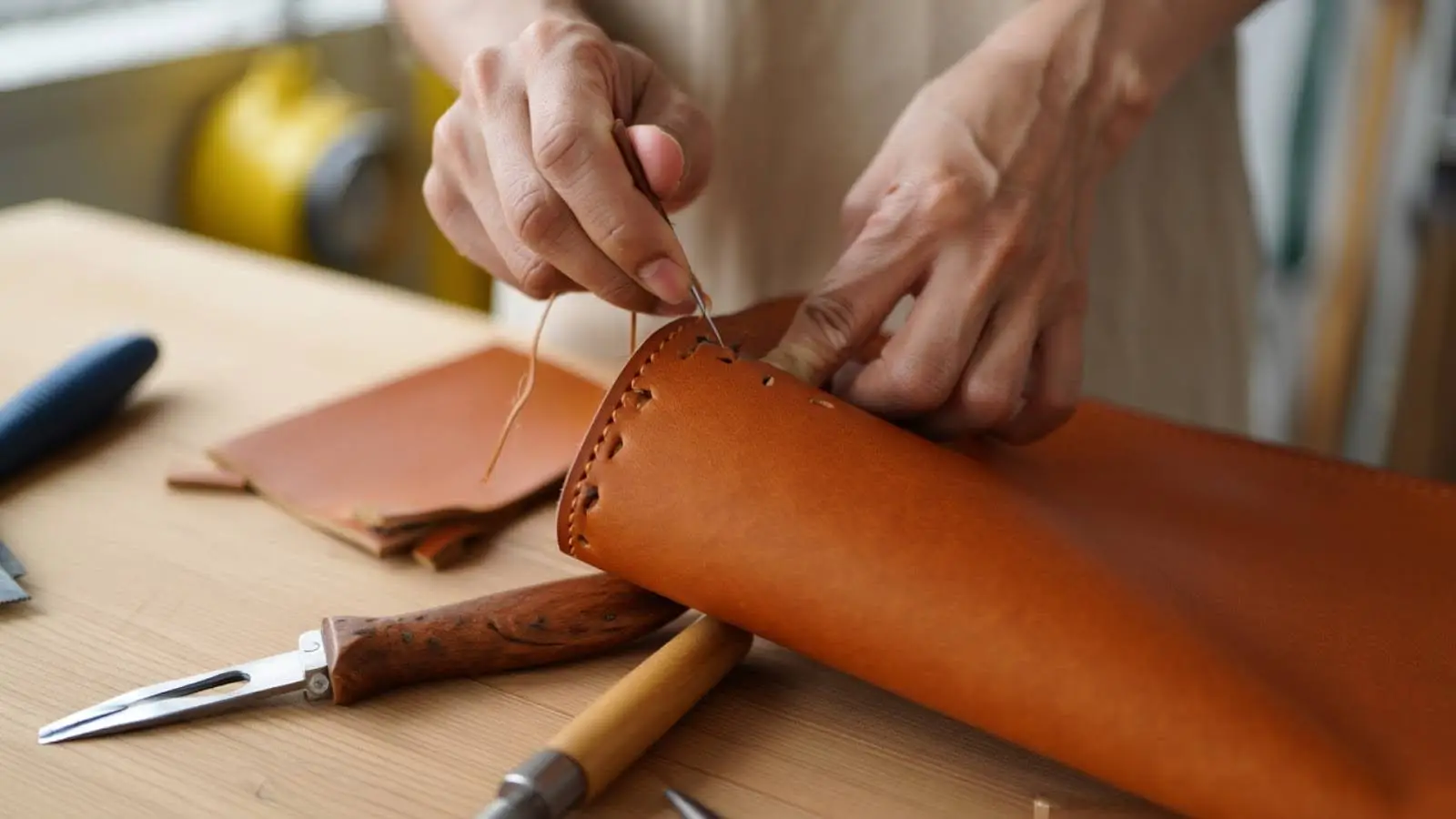
The foundation of responsible production is based on strong labor practices in ethical handbag manufacturing. Ethical manufacturers ensure fair wages and legally compliant working hours and safe-hygienic workplaces. Child labor and forced labor are strictly prohibited. Employees receive appropriate training and safety support. To ethical operations, respectful treatment and worker dignity are central. These practices not only protect workers. But they also contribute to better quality control and consistency with long-term manufacturing reliability.
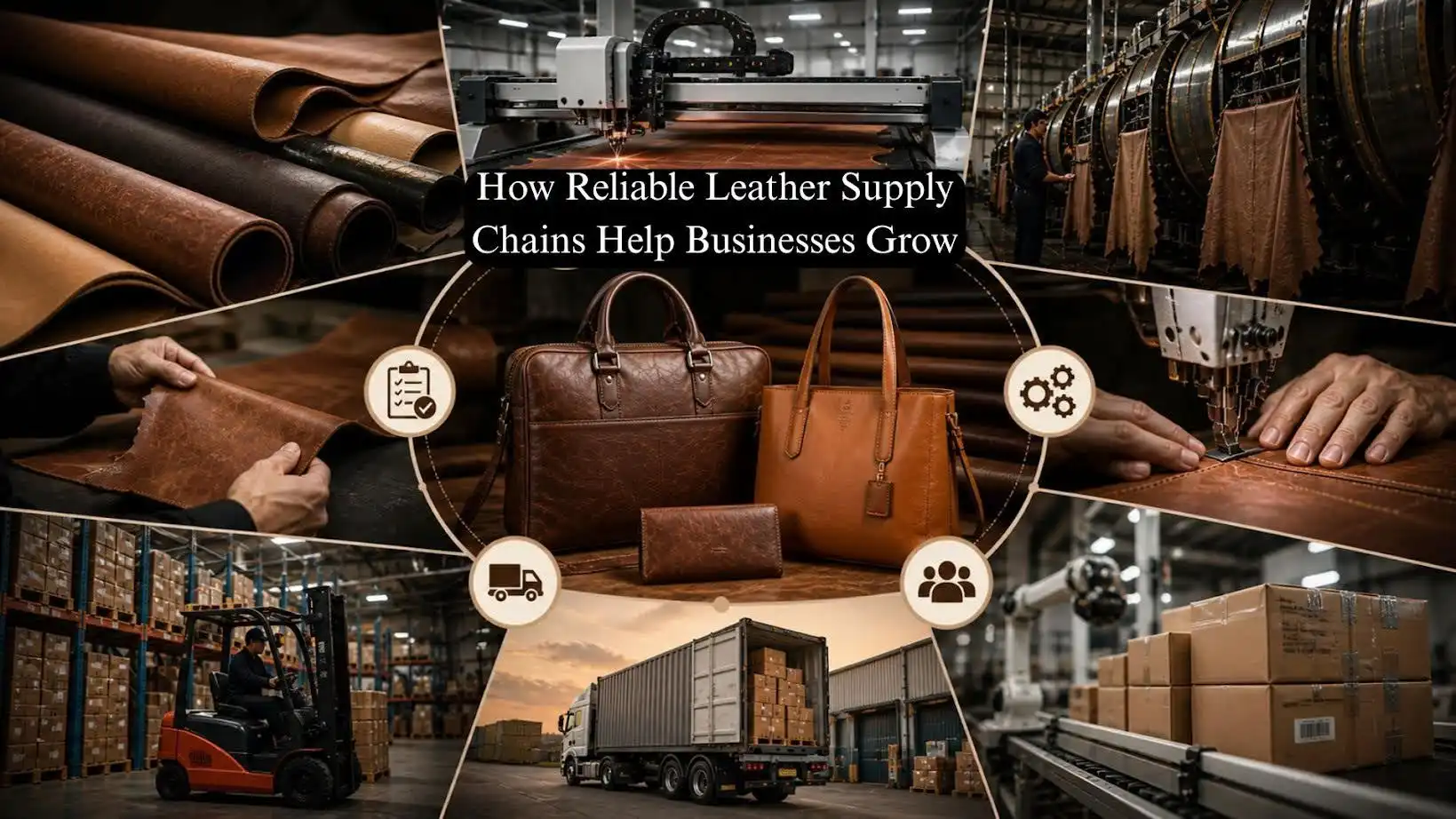
To reduce environmental impact without compromising product performance, sustainable materials used by ethical handbag manufacturers in India helps. These materials include responsibly sourced leather and low-impact textiles. Components produced through environmentally conscious processes are also important. Ethical manufacturers work closely with certified suppliers. This process ensures extra credibility and accountability across the supply chain. Reduced chemical use and water-efficient tanning along with material optimisation are increasingly common.
As circular fashion gains momentum! Many ethical manufacturers also function as a recycled material handbag supplier. Recycled leather and fabrics along with trims are incorporated into handbag collections to reduce waste and reliance on virgin resources. These materials are carefully evaluated to ensure the durability and performance standards. The use of recycled inputs supports waste reduction. It is also responsible for resource management while maintaining visual appeal. Without sacrificing quality or usability for global buyers recycled materials demonstrate a practical commitment to sustainability.
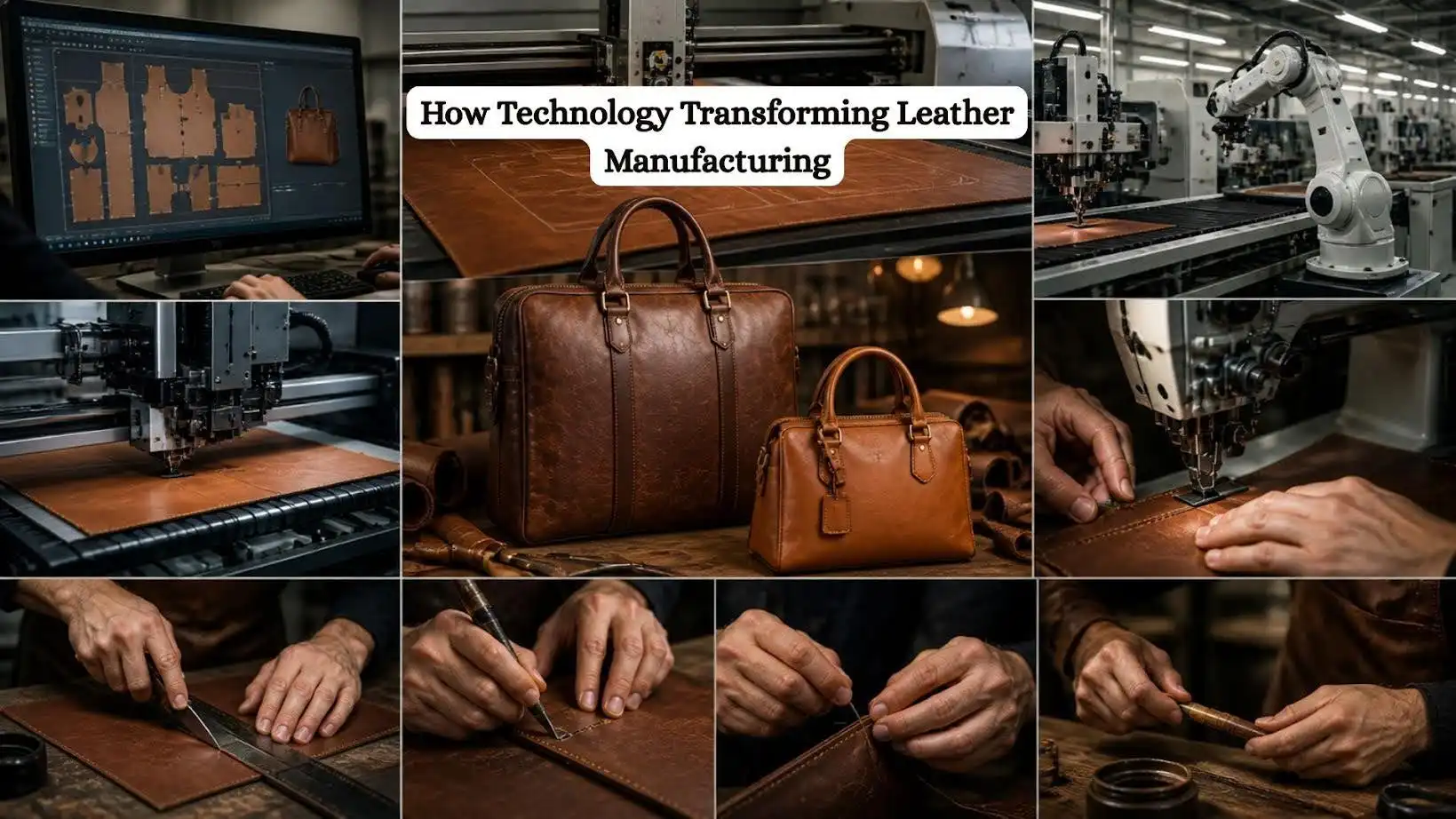
Ethical manufacturing processes emphasise responsibility at every stage of production. Ethical manufacturers monitor energy and water usage. With document sourcing and workflow processes it also implements waste-reduction initiatives. Transparency plays a central role! Buyers increasingly expect visibility into how handbags are produced. Clear documentation and traceability strengthen accountability and simplify compliance audits. Many ethical manufacturers are investing in cleaner technologies and structured process management with reinforcing trust; supporting sustainable growth.
Certifications & standards provide third-party validation of ethical practices. Social compliance audits and environmental certifications with quality management systems help buyers. So that they can assess a manufacturer’s credibility efficiently. Certifications alone do not guarantee ethical performance! But they offer an important benchmark when combined with transparent operations. Ethical handbag manufacturers in India increasingly align with internationally recognised standards. It supports compliance with US, UK and EU retail requirements. Certifications also encourage continuous improvement across labor and materials with production systems. Learn more about why choose an ISO approved leather accessories manufacturer in India.
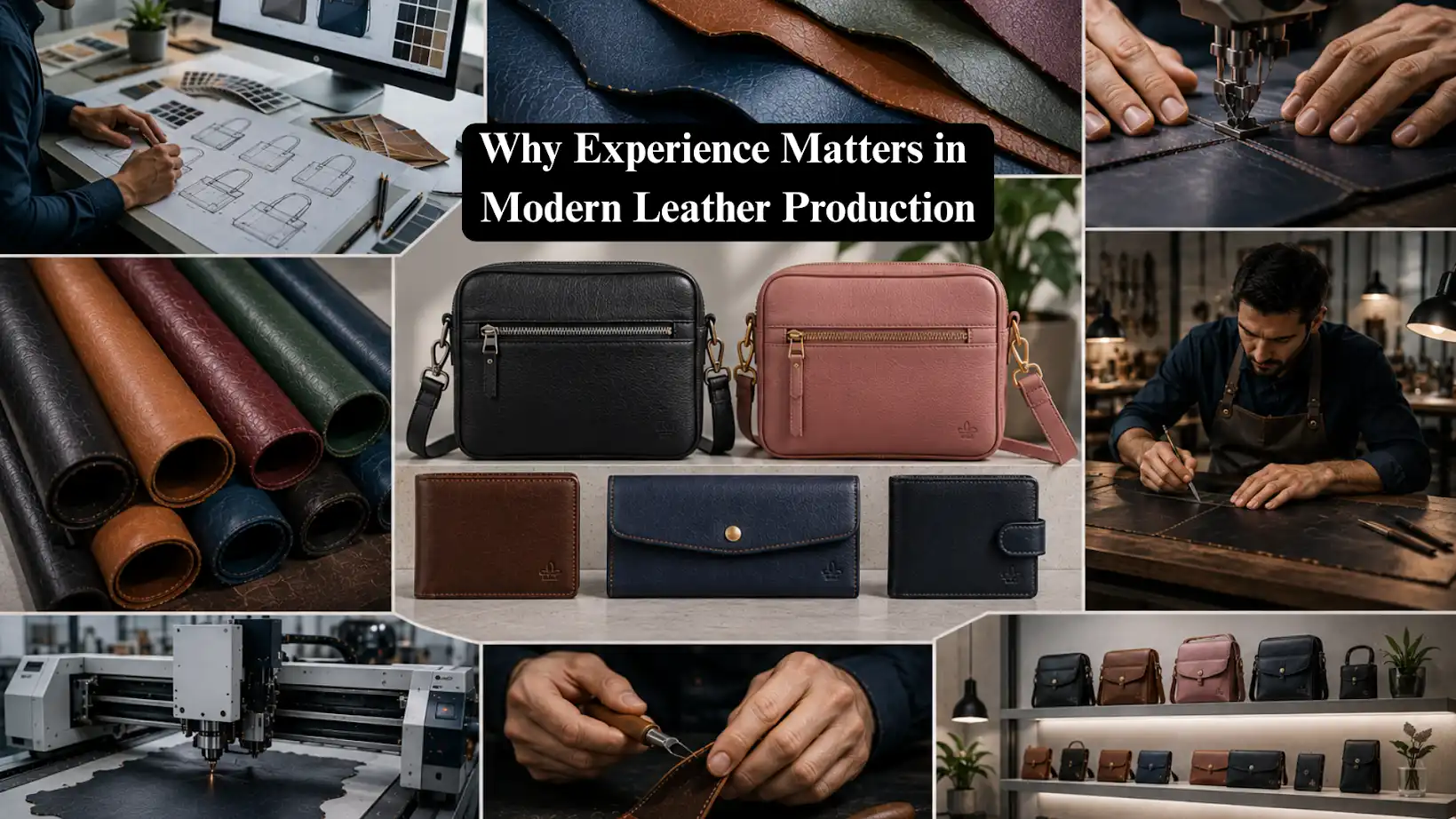
Ethical manufacturing also means producing handbags that are built to last. Durable products reduce waste, lower replacement rates, and support sustainability goals. Ethical manufacturers place strong emphasis on quality control, material performance, and construction standards to ensure handbags maintain functionality over time. Durability is both a quality and ethical consideration, as longer product lifecycles reduce environmental impact. Balancing sustainability with performance ensures consumers receive genuine long-term value.
How to Identify an Ethical Handbag Manufacturer in India
Buyers should assess labor policies, material sourcing practices and production transparency. Verifying certifications and audit reports is important, but understanding day-to-day operations is equally critical. Facility reviews, traceable supply chains and open communication signal ethical credibility. Knowing how to identify an ethical handbag manufacturer in India enables buyers to reduce risk and establish sourcing partnerships aligned with global ethical standards.
Conclusion
Ethical handbag manufacturing in India reflects a growing commitment to responsible labor practices and sustainable materials with transparent production processes. Ethical manufacturing has become an important part of long-term sourcing success. It is because global expectations continue to rise. Buyers can make informed decisions that support both sustainability goals and brand integrity. Contacting an ethical handbag manufacturer in India provides access to skilled production, ethical accountability and handbags designed for lasting value in international markets.
FAQs
What defines an ethical handbag manufacturer in India?
An ethical manufacturer prioritises fair labor practices, sustainable materials and transparent production systems.
Are recycled materials suitable for high-quality handbags?
Yes, when properly tested and sourced, recycled materials meet durability and performance requirements.
Do certifications alone guarantee ethical manufacturing?
Certifications help verify practices, but transparency and consistent implementation are equally important.
Why is ethical manufacturing important for global brands?
It reduces reputational risk, supports sustainability commitments, and builds long-term consumer trust.