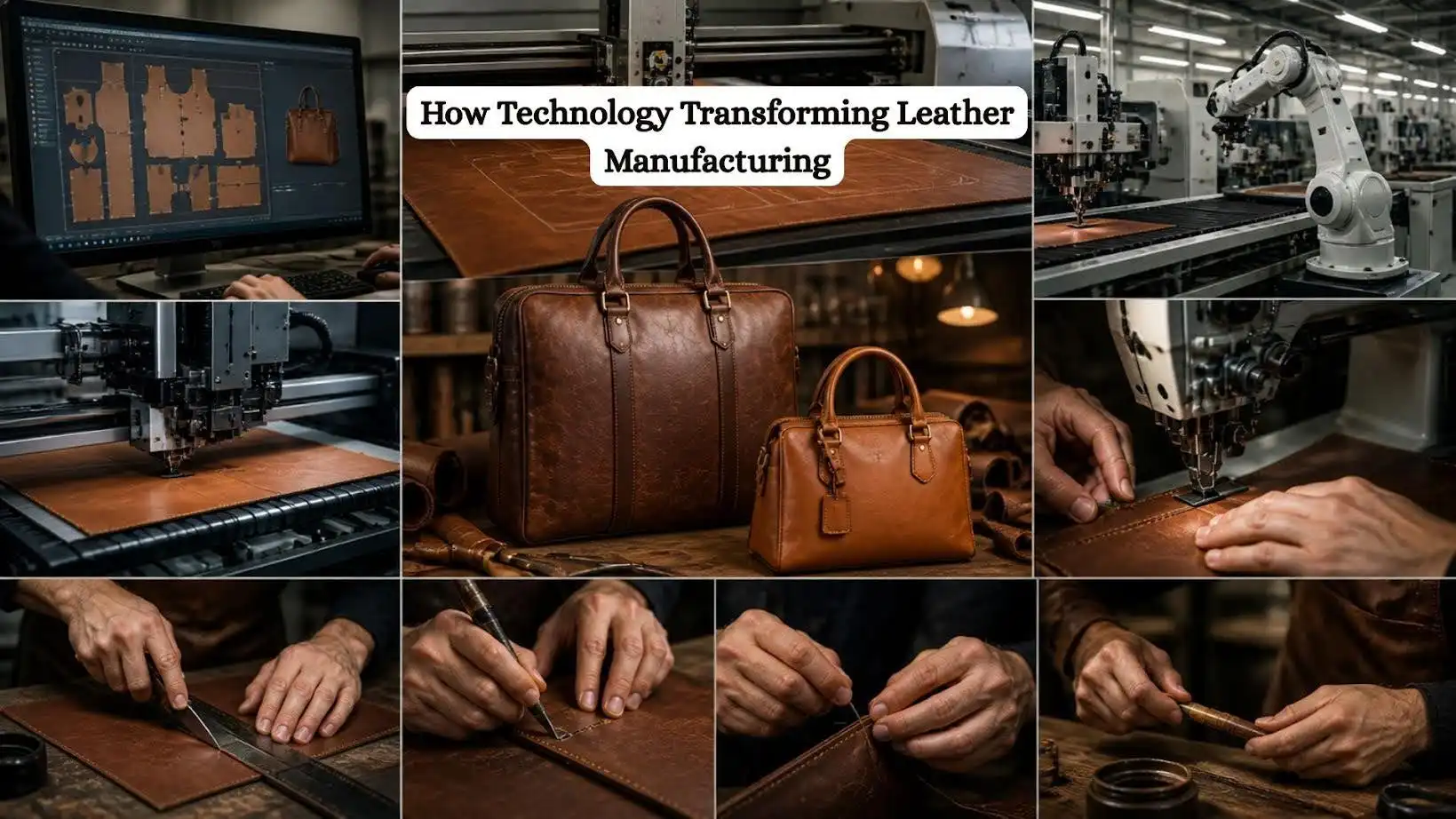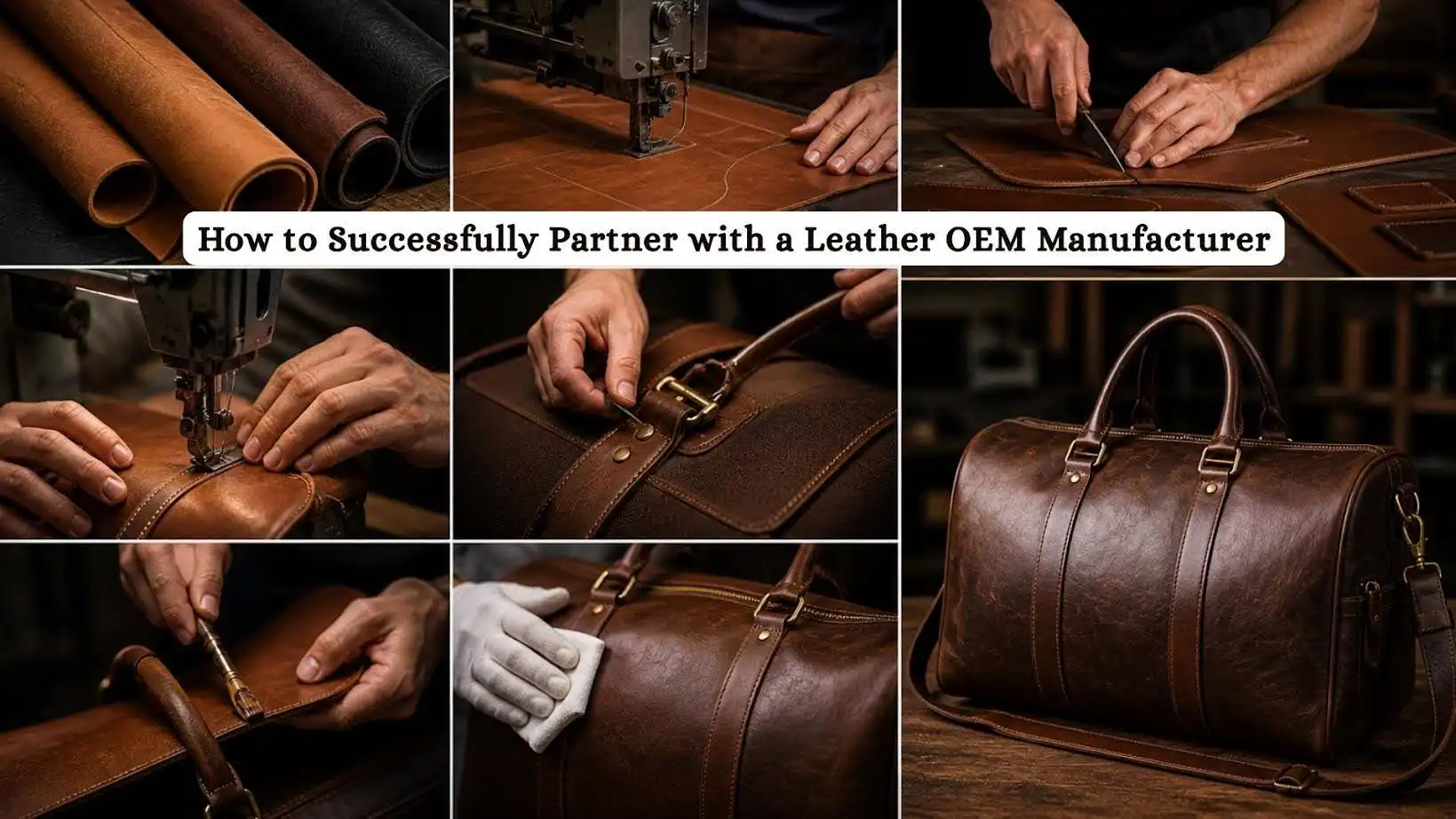
With brands seeking efficient, scalable, and quality-focused production solutions to remain competitive, the global leather industry continues to evolve. As product expectations rise and timelines become tighter, many businesses are turning to a leather OEM manufacturer to streamline operations while maintaining high standards. OEM manufacturing in the leather industry allows brands to focus on design, branding, and market growth.
That said, building a successful partnership is not simply about outsourcing manufacturing. The right OEM partner can influence everything from product consistency to long-term brand reputation.
This article outlines how to successfully collaborate with leather OEM manufacturers and highlights the key factors that contribute to a reliable and productive working relationship.
Why Partner with a Leather OEM Manufacturer?
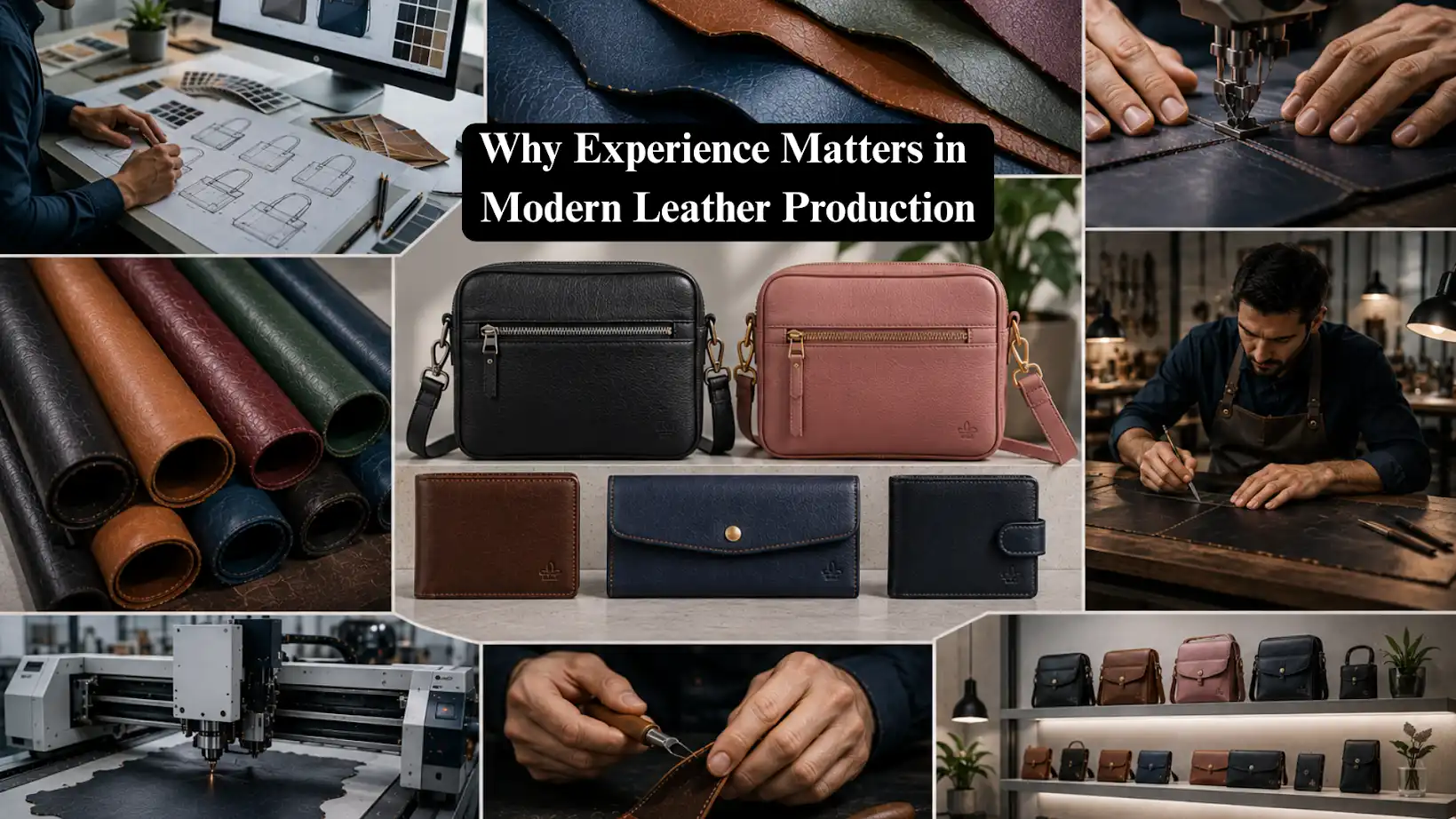
Collaborating with an experienced OEM partner enables brands to benefit from specialised knowledge, established systems and scalable production capabilities.
Working with a dependable OEM leather manufacturer offers both operational and strategic advantages. Reliable manufacturers bring deep technical expertise, strong sourcing networks, and streamlined processes that ensure consistent outcomes.
Key benefits include:
- Access to advanced manufacturing facilities and expertise
- Consistent product quality across batches
- Faster turnaround times due to established workflows
- Scalability to support growing demand
- Reduced operational complexity and overhead
A strong partnership also provides flexibility, allowing brands to respond to changing market needs while maintaining production stability.
How to Choose the Right OEM Manufacturer
Selecting the right OEM partner requires careful evaluation of both technical capabilities and alignment with business goals. A manufacturer’s track record in OEM manufacturing in the leather industry is often a strong indicator of reliability.
Important factors to consider include:
- Proven experience in leather product manufacturing.
- Capability to support customization and design requirements.
- Production capacity and ability to scale operations.
- Compliance with international quality and ethical standards.
- Transparency in communication and reporting.
A well-matched OEM partner not only meets current requirements but also supports long-term growth and adaptability.
Quality Control and Inspection Process
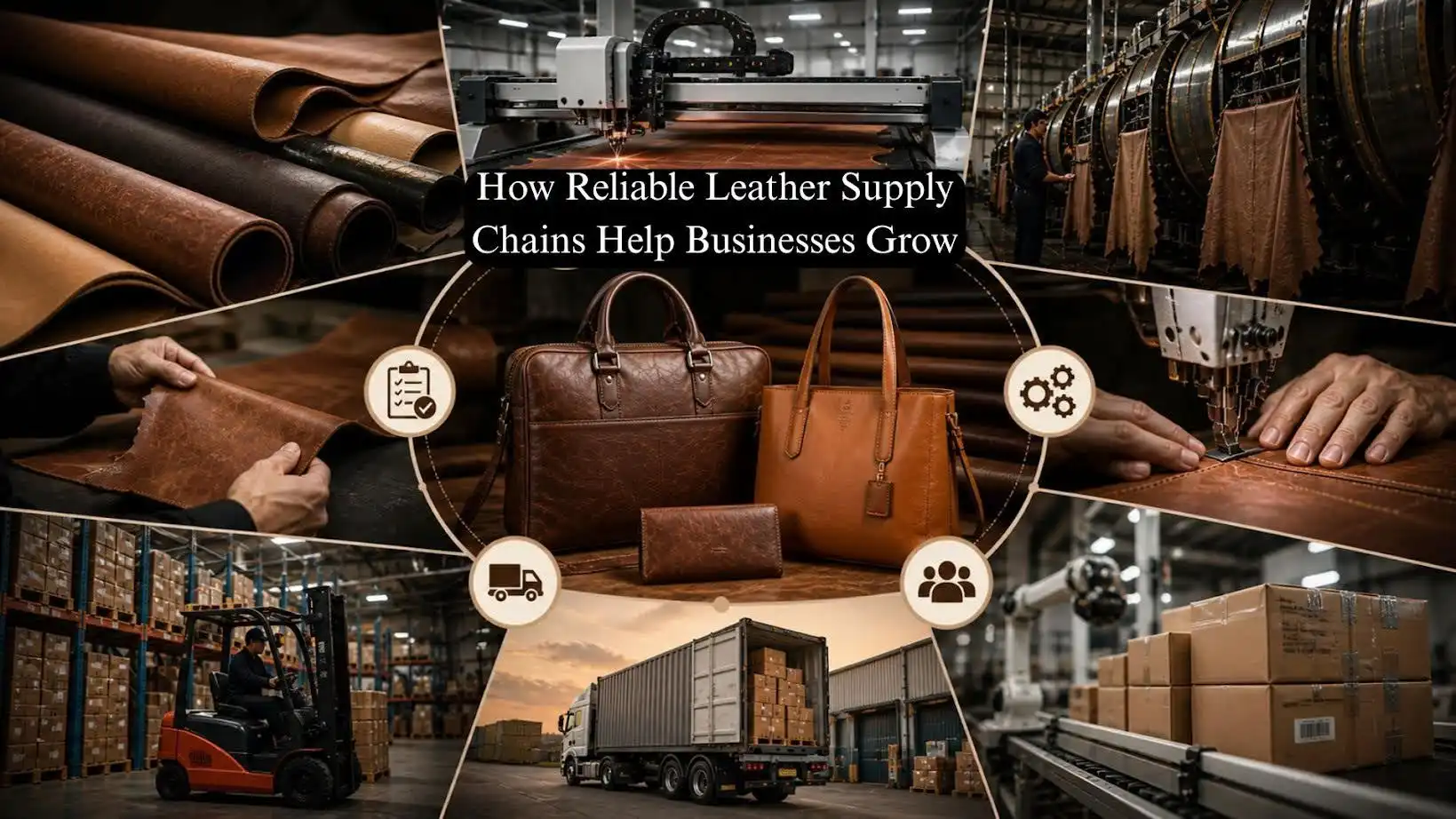
Consistent quality is a defining factor in any successful OEM partnership and requires a structured inspection system. Quality control in leather manufacturing involves multiple checkpoints throughout the production cycle.
Key components include:
- Inspection of raw materials to detect defects early
- Monitoring production stages such as cutting and stitching
- Testing for durability, strength, and finishing consistency
- Final inspection before packaging and shipment
An experienced OEM partner integrates these checks into daily operations, ensuring that quality is maintained at every stage rather than treated as a final step.
Building a Long-Term Partnership with an OEM Leather Manufacturer
A successful partnership with a leather OEM manufacturer goes beyond individual orders. It involves ongoing collaboration, regular feedback, and a shared commitment to quality and efficiency.
Clear communication helps align expectations and ensures smooth coordination across all stages of production.
Key elements of a strong partnership include:
- Open and transparent communication
- Flexibility to adapt to evolving requirements
- Continuous performance evaluation and improvement
- Shared focus on maintaining quality standards
Treating the manufacturer as a strategic partner rather than just a supplier leads to better outcomes and long-term stability.
Conclusion
Partnering with a leather OEM manufacturer offers a practical and effective way for brands to achieve quality, scalability, and operational efficiency. However, the success of such a partnership depends on selecting the right manufacturer and maintaining a structured, collaborative approach. From evaluating production capabilities to ensuring strong quality control systems, every step contributes to consistent results.
In the modern landscape of OEM manufacturing in the leather industry, experience, reliability, and communication are key factors that define successful partnerships. Brands that prioritize these elements can enhance product quality, streamline operations, and position themselves for sustained growth in competitive markets.
FAQs
-
What is a leather OEM manufacturer?
A leather OEM manufacturer produces leather goods based on a brand’s design and specifications.
-
Why should brands partner with OEM manufacturers?
They offer expertise, scalable production, and efficient manufacturing processes.
-
How is quality maintained in OEM leather production?
Through structured quality control systems and multiple inspection stages.
-
What should be considered when choosing an OEM partner?
Experience, production capacity, quality standards, and communication transparency.